
Harnessing financial management skills for successful gambling strategies
Understanding the Basics of Financial Management in Gambling
Financial management is a crucial skill when it comes to gambling. Successful gamblers know that it’s not just about luck; it’s about having a well-thought-out strategy that incorporates effective financial planning. Understanding your budget, knowing how much you can afford to gamble, and setting limits are fundamental components of this strategy. By treating your gambling budget like an investment, you will be more likely to make informed decisions rather than emotional ones. Additionally, exploring resources such as https://mythoswincasino.org/ can provide valuable insights.
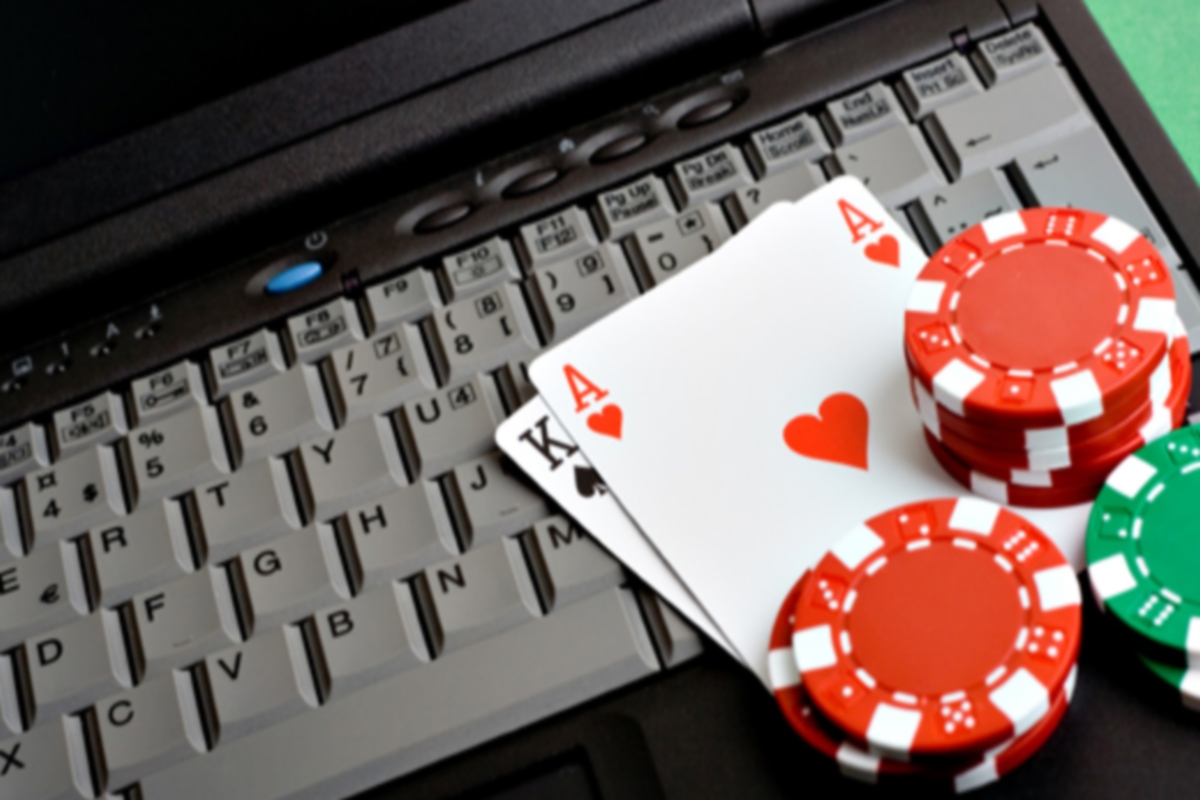
The importance of a solid financial foundation can be illustrated through the concept of bankroll management. This involves determining the amount of money you can comfortably afford to lose without impacting your daily finances. For example, if you set aside a specific amount each month purely for gambling, you can ensure that you’re not risking funds meant for essential expenses like rent or groceries. This kind of discipline is essential for long-term success in gambling.
Another crucial aspect is tracking your wins and losses meticulously. By maintaining a detailed record of your gambling activities, you can analyze patterns over time, which can lead to more strategic decisions in the future. This practice allows you to identify which games yield higher returns and which strategies might be costing you money, ultimately enhancing your overall approach to gambling.
Developing a Strategic Budget for Gambling
Creating a strategic budget for gambling is similar to budgeting for any other financial investment. Start by defining your financial goals; are you looking to play for entertainment, or are you aiming for profit? Your objectives will determine how you allocate your resources. For instance, if your goal is entertainment, you might set a lower budget, whereas aiming for profit could involve a more substantial investment but with calculated risks.
Once you have established your goals, the next step is to categorize your spending. Allocate specific amounts for different types of gambling activities, whether it’s playing poker, betting on sports, or visiting a casino. This helps you keep track of how much you are investing in each area and allows you to adjust your strategy according to your performance in each category. Moreover, having separate funds for different types of gambling can prevent you from overspending in one area while neglecting another.
Regularly reviewing and adjusting your budget is essential. Just as market conditions can change, so too can your gambling performance. If you find that you are consistently losing in one area, consider reallocating those funds to another category where you might have had more success. Being flexible and responsive to your gambling experience will help you stay on track and improve your overall financial management skills.
Debunking Common Gambling Myths
One of the first steps in harnessing financial management skills for gambling is to debunk common myths that often cloud judgment. Many people believe that certain games are “due” for a win after a series of losses, a notion rooted in the gambler’s fallacy. This myth can lead to poor financial decisions, where individuals chase losses instead of adhering to their budgets. Understanding that each game outcome is independent can help in making more rational choices, especially considering the varied opinions on MythosWin among gamblers.
Another prevalent myth is that there are strategies that can guarantee wins. While skilled play can improve your odds in certain games like poker, no strategy can overcome the house edge in casino games such as slots or roulette. This misconception may lead players to invest more money than they should, thinking they are using a foolproof method. Educating yourself about the odds and strategies specific to the games you choose will empower you to make informed decisions.
Furthermore, the myth that gambling is solely a game of chance can undermine the importance of skill and strategy in financial management. While luck plays a role, players who invest time in learning the games, studying odds, and developing strategies can significantly improve their financial outcomes. Thus, debunking these myths not only saves money but also fosters a healthier approach to gambling.
Emotional Management in Gambling
Emotional management plays a pivotal role in effective financial management for gambling. Many gamblers struggle with impulsive decisions driven by emotions such as excitement or frustration. Recognizing emotional triggers is the first step toward better decision-making. If you find that losses are affecting your mood, it may be time to step back and reassess your approach, ensuring that you are making choices based on logic rather than feelings.
Implementing techniques for emotional control can greatly enhance your gambling experience. For example, setting strict time limits for gaming sessions can help prevent overindulgence. Taking regular breaks to reflect on your performance and financial situation will keep you grounded and help maintain a balanced perspective. Techniques such as mindfulness or even simple breathing exercises can also be effective tools to regain composure during high-stakes moments.
Moreover, having a support system can be invaluable. Engaging with friends or fellow gamblers who share similar interests can provide emotional support and encourage disciplined gambling. Discussing experiences, strategies, and setbacks can not only relieve stress but also enhance your understanding of the gambling landscape, ultimately contributing to better financial management skills.

Exploring Resources for Financial Management in Gambling
Various resources can aid in developing financial management skills for gambling. Online forums, blogs, and websites dedicated to gambling strategies often provide valuable insights and tips. These platforms can help you stay informed about the latest trends, strategies, and tools that can optimize your gambling experience. Engaging with these communities can also help you connect with other players who share your interests.
Additionally, there are many books and courses focused on financial management specifically tailored for gambling. These resources can offer in-depth knowledge on bankroll management, risk assessment, and strategic betting techniques. By dedicating time to learning from experienced gamblers and financial experts, you can enrich your understanding and apply this knowledge to your own practices.
Lastly, leveraging technology can significantly enhance your financial management capabilities. Numerous apps can help track your gambling expenses, analyze your performance, and even set alerts when you’re nearing your budget limits. By utilizing modern tools alongside traditional knowledge, you can create a comprehensive approach that ensures responsible and strategic gambling.